Between opportunity, expectation, and uncertainty: how young academics perceive Montenegro’s European future
As Montenegro moves forward in its European Union accession process, the views of its academic youth reveal a landscape of divided opinions. For some students, and young academics, EU membership is seen as a natural and necessary step towards political stability, educational alignment, and institutional modernization. Others, however, remain cautious, questioning the pace of reforms, the credibility of the process, and the extent to which European integration can deliver meaningful change within Montenegro’s academic and social frameworks. Together, these contrasting perspectives offer insight into how the country’s emerging academic generation understands Montenegro’s European future.
Based on my conversations with several dozen students from Montenegro across different academic fields, this article seeks to present a clearer picture of how young academics understand the EU accession process, how engaged they feel with national politics, and the extent to which the issue of European Union membership genuinely interests them, alongside their opinions and expectations, or uncertainty.
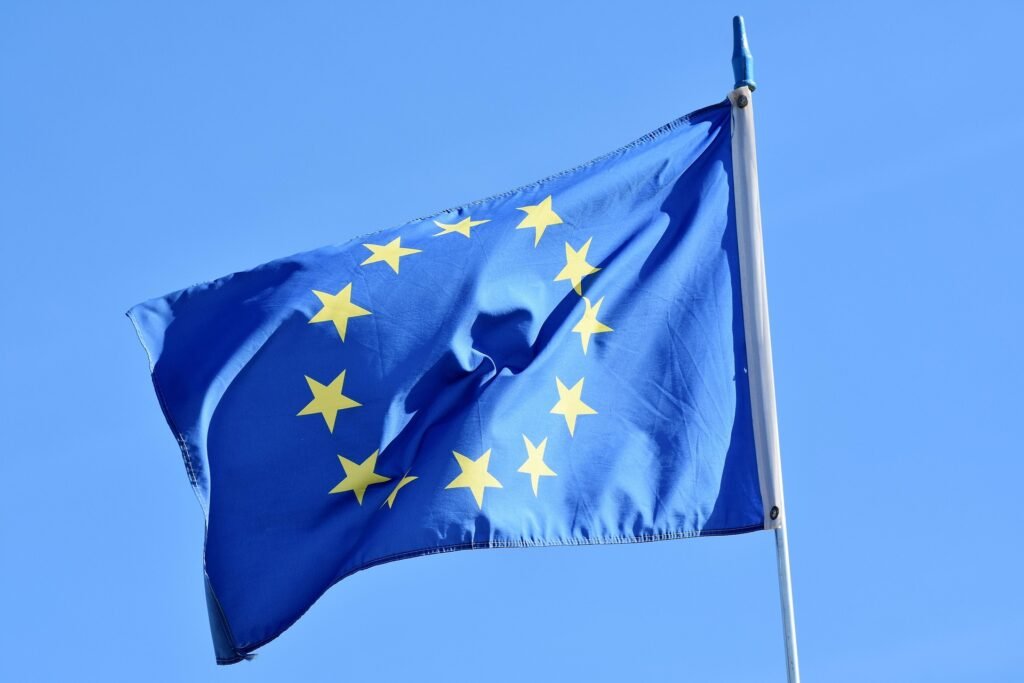
Do students expect Montenegro to join the European Union – and Why?
Views among Montenegro’s academic youth are clearly divided when it comes to the country’s prospects of joining the European Union. One segment of students expresses cautious optimism, believing that accession is likely, though not imminent. Most suggest that membership would not occur before 2028, with some even projecting a potential entry as late as 2030. These students often emphasise that the EU itself has a strategic interest in enlargement, seeing Montenegro’s eventual inclusion as part of a broader effort to maintain the Union’s cohesion and influence in the region. A smaller number of respondents are slightly more precise, suggesting that accession could realistically happen by 2027 or, at the latest 2028. However, even in such scenario, they note that many of the formal requirements and reforms would remain incomplete.
Some, on the other hand, believe that it will not happen in a foreseeable future, but are expecting it by the time they are 45 years of age – arguing that poor infrastructure stands out as one of the most significant obstacles.
A significant proportion of students remain sceptical, doubting that Montenegro will achieve EU membership any time soon. Their concerns center on the persistent gaps between domestic legislation and European standards, with particular attention to critical issues such as organized crime, drug related networks and widespread corruption. For these students, the combination of weak institutional enforcement and societal challenges makes the prospect of accession highly uncertain, at least in the short to medium term.
Selected few, admitting they mostly follow politics through headlines, quoted Montenegrin politician Milan Knežević, who famously remarked that Montenegro is “more likely to join the United Arab Emirates than the European Union.” Their use of quote underlines the scepticism, and occasional humour, with which young people regard the country’s EU prospects.
Challenges on the road to EU: Membership and beyond
Further discussions with Montenegro’s youth highlighted both the obstacles the country faces in securing European Union membership and the challenges that may arise once accession is achieved.
In terms of immediate barriers, students were remarkably unanimous in identifying organized crime as a major concern, with one noting: “there has been no progress; it’s like sports fishing, the police make arrests, but the judiciary releases them.” Corruption was widely cited as another significant impediment, with many believing that what is publicly known represents only the tip of the iceberg, and that European officials entering domestic institutions would likely uncover much more, potentially delaying accession. The country’s economy, which operates largely within the grey zone, was also highlighted as a structural challenge. Beyond these practical issues, some emphasized broader institutional and political hurdles. According to them, Montenegro continues to struggle with the rule of law and the strengthening of its institutions, with corruption remaining a persistent concern. Certain number of students also states that political parties with pro-Serbian orientations could act as obstacles by introducing identity related issues that are largely irrelevant to the EU accession process, but which may nonetheless slow progress or create societal friction.
Looking ahead to the period immediately prior to EU entry, some were, once again, cautiously optimistic. They did not foresee any real barriers at that stage, aside from the possible emergence of societal voices opposed to membership, a phenomenon they did not consider to be an objective obstacle. They expressed confidence that once Europe gives the green light, formal accession is merely a matter of procedure. Membership becomes official once all negotiation chapters are closed, marking the final step in a process that has already largely determined the outcome.
When considering challenges that Montenegro might face after joining the European Union, students raised several concerns. Many believe that the population could struggle to adapt to European regulations, and that small and medium sized enterprises may be unprepared for the changes required in their business practices. Some even suggested that, from their perspective, the EU itself is almost a hostile entity for the country. Serious but practical issues were also highlighted, including a potential increase in youth emigration, the sudden entry of large multinational companies that could overwhelm the local economy, and the inevitable difficulties associated with implementing EU laws and regulations.
Envisioning Montenegro in the EU: Can the country keep up with European standards?
Most students were sceptical about Montenegro’s ability to meet European Union standards, describing the country’s infrastructure as still “tribal”, albeit without the armed conflicts of the past. A minority believed the country could achieve compliance, provided it continues to work with the same or greater intensity as it has in closing negotiation chapters. They noted that this is a long-term process, as even nations that joined the EU over a decade ago still face challenges implementing regulations.
Views on how Montenegro might look as an EU member were similarly divided. Half of the students argues that membership would not bring instant social or economic improvement, but would gradually foster progress across economic, commercial and social sectors, alongside clearer societal rules. They also highlighted the benefits of EU funds, which could accelerate development, and the credibility gained as a member state, potentially attracting more foreign investment.
The other half painted a more pessimistic picture, anticipating possible emigration, rising prices and harm to vulnerable sectors like local agriculture, already affected by import lobbies. Some felt that, despite membership, people would continue to exploit loopholes while claiming rights, meaning immediate domestic improvements would be limited. Opportunities such as easier employment in other EU countries might arise, but overall, they doubted that life in Montenegro itself would see a swift enhancement.
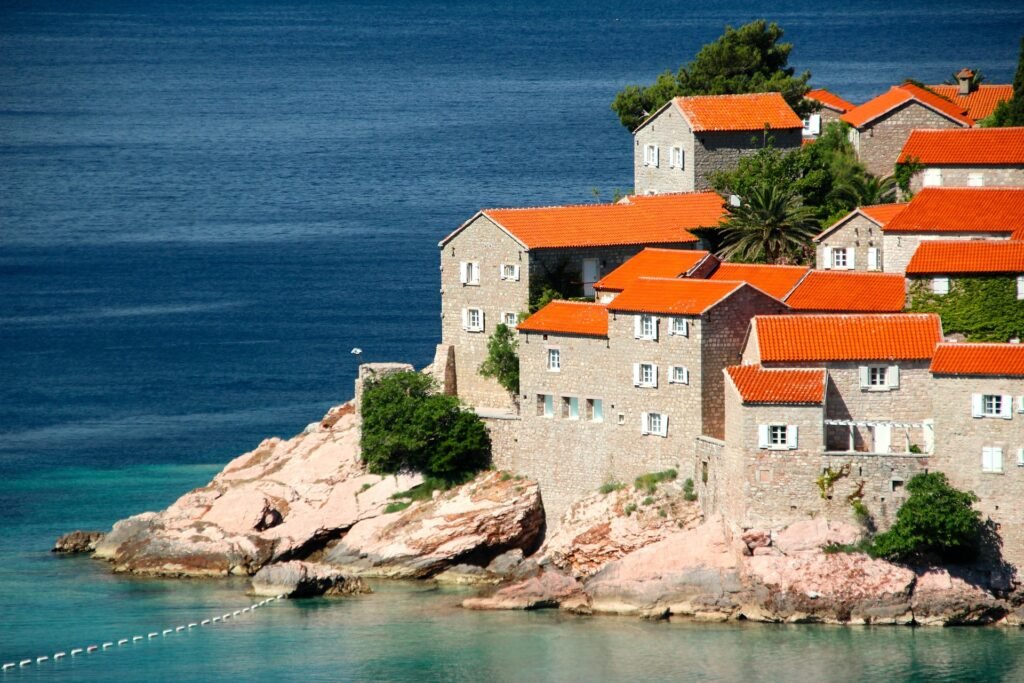
Youth, their interest in EU membership and involvement in politics
Students expressed a range of views regarding Montenegro’s potential EU membership and the interest of their peers in European integration. Some were openly against it, describing EU as “criminal organization” dominated by states perceived as adversaries, with only Slovakia, Hungary and Romania as exceptions. They argued that majority of the young people are largely uninterested in the topic, lacking any concrete anti EU activism, and that many respond positively to membership by default, without deeper reflection, often influenced by prevailing EU narratives. Others noted that limited engagement stems from more immediate existential concerns, leaving only a minority attentive to the broader political and institutional implications.
Conversely, a significant portion of students expressed support for EU accession. They highlighted the practical opportunities it could bring, from smoother travel and access to European cultural institutions to scholarships and enhanced employment prospects across Europe. For them, discussions about European integration have been ongoing since they can remember, explaining it makes it difficult for people to remain indifferent.
Across responses. Students commonly emphasized that EU membership is both a logical and correct path for Montenegro. Being geographically and culturally part of Europe, the country stands to benefit from greater prosperity, affirmation of its civic identity, and increased stability within the Western Balkans. Several noted that younger generations are generally more educated than their parents and more aware of the opportunities EU membership might bring, particularly in terms of living standards and long-term prospects. At the same time, some acknowledged a degree of political fatigue among young people, intensified by ongoing domestic and political tensions since the change of government in 2020, though they expressed confidence that youth remain capable of recognizing the broader national interest.
During conversations, some students showed clear disengagement, answering sarcastically “I don’t know, the sea is polluted, mountains are too high, but dojč (local coffee) is good.” Others sidestepped the questions, debating whether Montenegro would get its own euro or continue using it informally. These reactions highlighted uneven interest and understanding among the country’s academic youth.
In sum, Montenegro’s academic youth hold diverse views on EU membership, reflecting varying knowledge, interest and expectations. Students recognize potential benefits and challenges alike, from economic and institutional changes to social adaptation. These perspectives show both the uncertainties and aspirations of young Montenegrins as the country navigates the complex process of European integration.