Albania has been moving steadily along the path toward European Union membership, a journey marked by both historic milestones and persistent challenges. After decades of reform and adaptation, the European Commission has opened all chapters of the accession negotiations, signaling that Albania is now closer than ever to joining the European family. This step is not only symbolic, but it reflects years of sustained effort by the Albanian state to align its institutions, laws, and policies with the standards expected of EU members. For many Albanians, it represents the culmination of long-held aspirations, to secure a place in Europe’s political, economic, and social structures.
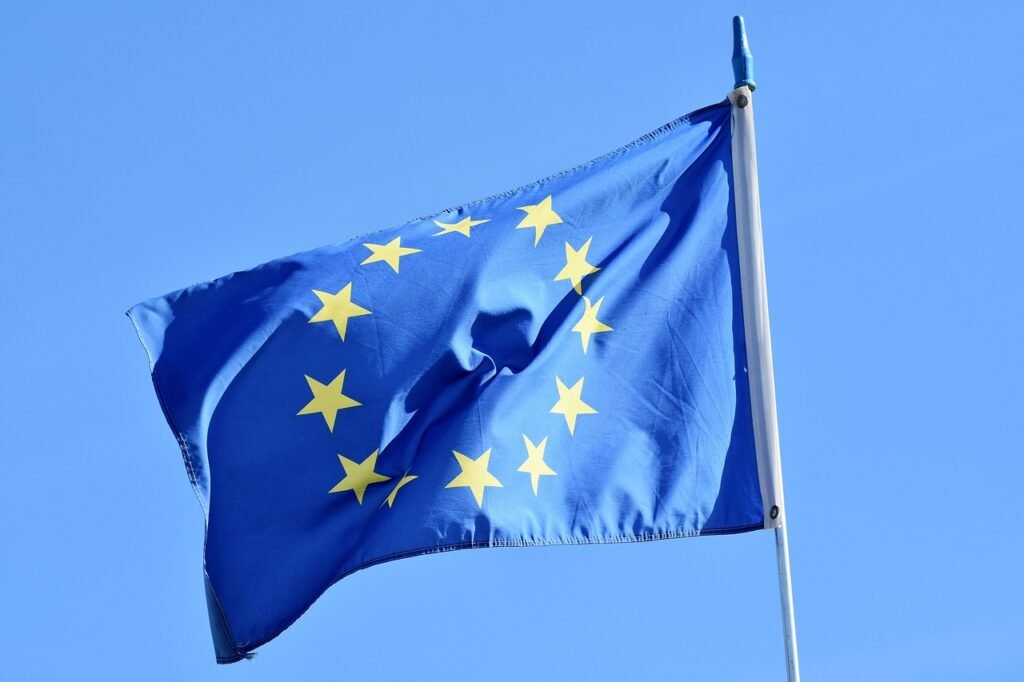
The process of EU accession is rigorous. Opening all negotiation chapters requires Albania to demonstrate tangible progress in areas such as judicial reform, the fight against corruption, public administration, human rights, and economic governance. Each chapter represents a sector of governance and public life that must meet European standards. The opening of all chapters marks a moment of optimism, yet it also underscores the work that remains. Observers note that while the country has made commendable strides, particularly in institutional reforms and legislative alignment, challenges persist in areas such as the judiciary and anti-corruption mechanisms. The road ahead demands continuous commitment, transparent governance, and sustained political will.
For Albanians, this development is a source of national pride and hope. Citizens have long looked to the European Union not only as an economic and political partner but as a model of stability, human rights, and rule of law. EU membership carries the promise of stronger institutions, increased investment, greater mobility, and the reinforcement of democratic values. Yet it also represents a call to responsibility to address lingering governance issues, strengthen civil society, and ensure that reforms are implemented not just on paper but in practice.
The opening of all chapters also highlights the regional dimension of European integration. Albania’s progress is closely watched by neighboring countries, many of whom are also aspiring members of the EU. Success in meeting the benchmarks required by the accession process can inspire confidence in the Western Balkans, demonstrating that commitment, reforms, and perseverance can bring tangible results. Albania’s journey illustrates that the European path is a collective project one that requires dialogue, cooperation, and a shared vision for stability and prosperity.
In practical terms, Albania is now closer than ever to completing a long-standing journey toward Europe. Yet the path is not without obstacles. European institutions maintain strict criteria, and the country must prove that it can implement reforms consistently and sustainably. Progress in meeting EU standards will not only facilitate accession but also strengthen democracy, rule of law, and economic development at home. Each step forward, each chapter closed, reinforces Albania’s determination to belong fully to the European family.
For citizens across the country, the opening of all chapters is a moment of optimism and reflection. It symbolizes the fruits of decades of effort and the potential for a future anchored in European values. At the same time, it is a reminder that European integration is not a destination but a continuous process of adaptation, improvement, and vigilance. Albanians understand that the journey toward EU membership requires resilience, dedication, and a collective vision. The nation’s proximity to Europe is no longer merely aspirational; it is a tangible possibility one that, if embraced with determination and responsibility, can reshape Albania’s place in the continent for generations to come.