It’s early autumn morning. Maria sends a quick heart emoji to her family as she walks out of her small apartment. The streets are empty, the city still asleep, and the weight of a thousand kilometers lingers on her shoulders as she walks through the quiet dawn.
She is one of thousands. Once seen as an emigration country, Croatia is now attracting a foreign workforce despite living costs reaching an all-time high. After joining the European Union in 2013, Croatia saw a massive increase in the exodus of domestic workers, primarily in the public health and construction sectors, leaving it struggling to fill jobs. Following the end of the pandemic, the trend was accompanied by rising demand for workforce in the tourism and hospitality sectors, now being filled with foreign workers from Nepal, India, and the Philippines, who are, for the first time, outpacing arrivals from the Balkans. Among them are Maria, Jill, and Ferhan, humans with different life stories but a similar mission.
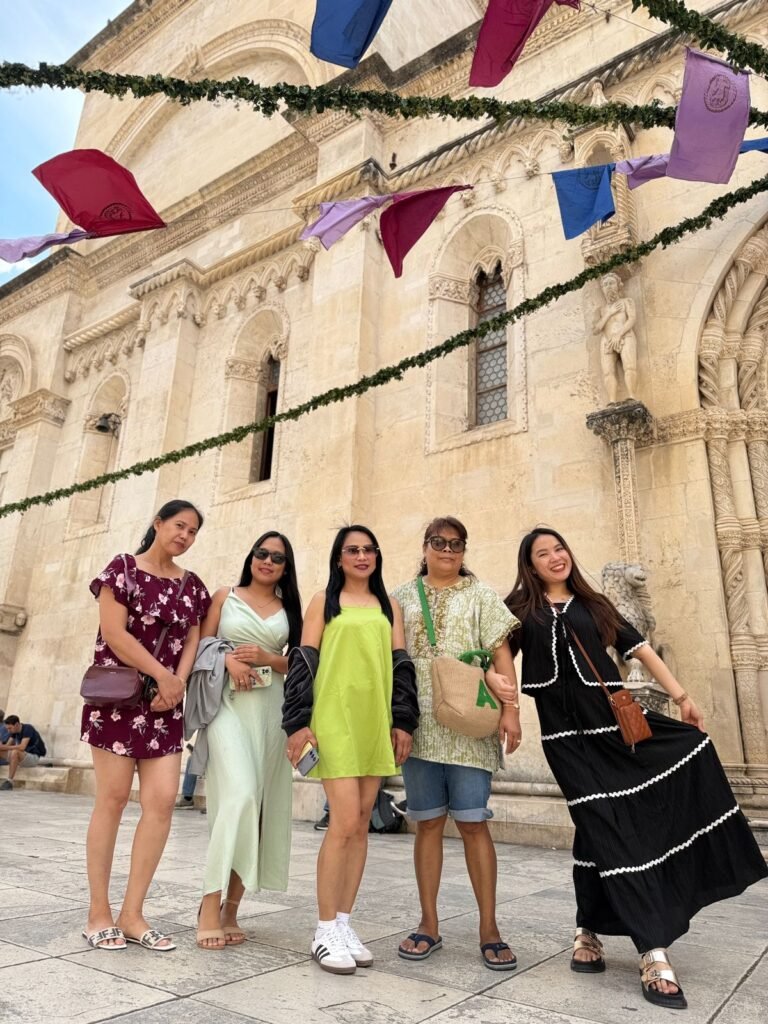
Ferhan, 29, works as a taxi driver in Zagreb. The first thing in the morning, he brews strong tea the way his mother used to when he was home, black and sweet. Passengers come and go. They are tourists with heavy backpacks, office workers glued to their phones, and old ladies with groceries. They ask where he’s from, sometimes with curiosity, sometimes with confusion. “Nepal”, he says, always with a small smile. Few ask more. Maria, in her early thirties, first arrived in a smaller town near Koprivnica and soon moved to Split. She left her 2-year-old daughter with her family in the Philippines after deciding to provide a better life for her. “It all happened quickly. After my husband left to work in Saudi Arabia, I couldn’t just sit and wait”, she notes
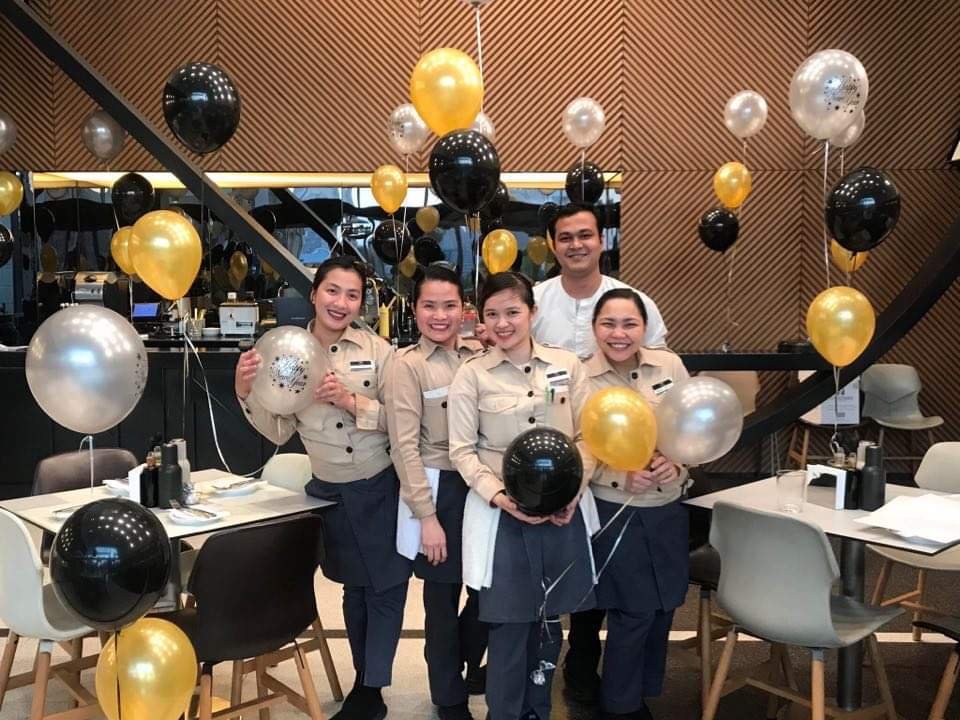
Jill, 32, arrived in Croatia in April 2025. While she was in college studying tourism in the Philippines, her older brother worked to support her studies. Upon completing her education, she was now the one responsible for helping the family, including her brother, who started studying dental technology. In Croatia, she works in a bakery, describing it as physically demanding but fair. She is still learning Croatian, which she finds challenging because of the pronunciation, but her colleagues encourage her to master it. Croatia usually isn’t the first stop abroad. Many foreign workers from Southeast Asia work for years in different countries before getting a visa permit to work in Europe. Both Maria and Jill previously worked in the Middle East, where conditions were more challenging due to cultural and safety concerns. Jill still vividly recalls the sound of sirens and chilling explosions while staying in Jordan. She describes Croatia as a dream despite hard living – a place where, even from afar, she can connect with her roots through meals, music, and friendships. “I find it hard sometimes to differentiate between Croatians and tourists. You all look the same”, she smiles.
Wary Hands Across Oceans
At a recent international seminar in Brussels, participants were asked to write words they identified with. While their counterparts from Western Europe primarily recalled their individualistic traits, Croatian participants tended to identify more with their family roles – they were aunts, mothers, brothers, and sisters.
This is no coincidence. According to Hofstede’s Individualism vs. Collectivism Index, Croatia is classified as a moderately collectivist society. Similarly, the Philippines and Nepal display collectivist orientations valuing group support and togetherness. Filipinos typically live and sense it through the kapwa, a concept that means “shared identity” or “fellow humanity” and stems from the idea that the self is not separate from others. Nepalis share similar values, respecting social harmony, empathy, and community life. In practice, this often looked like communal farming (bayanihan), neighborhood help, peaceful protests, or self-supporting networks of labor migration in the 19th–20th centuries in Hawaii, California, and the Middle East. While high relationality supports the well-being of foreign workers in Croatia today, it may also give rise to less positive consequences.
In Filipino culture, utang na loob, the debt of gratitude, binds generations. The eldest pays for the youngest. The family member who works abroad sometimes “carries” the family. Lauren Soriente, a Filipino American, was told by her grandfather, “You will pay for your sister’s college. That’s how it was for me.”, as reported by s Los Angeles Times. Meanwhile, she already had student loans, and inflation was on the rise.
A 1995 study found 27% of Filipino Americans experienced major depression, triple the U.S. average. A 2017 paper showed Filipino youth at a higher risk for depressive symptoms than Chinese peers. Dr. Joyce Javier, a pediatrician at Children’s Hospital Los Angeles, has documented elevated suicidal ideation among Filipina teens.
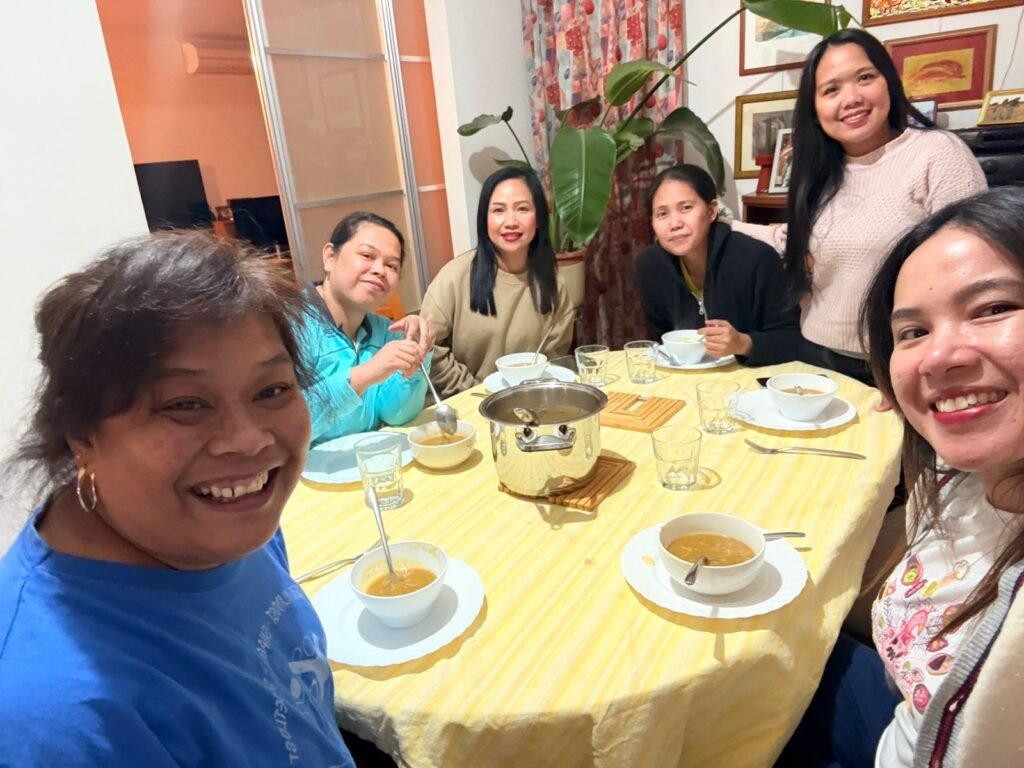
In Croatia, the burden is quieter but real. Migration Research Institute in late 2024 conducted a survey of 400 foreign workers in Croatia (including large shares from the Philippines 38% and Nepal 26%). Reports show that the majority of respondents financially support families in their countries of origin. Maria is one of them – she survives on only €200 a month. The rest goes home. On my question about how she makes it through the month, she laughs, pointing out that she often shares meals with others: “We help each other out. Everyone brings something.” Jill helps her family as well. “I want to support them, but also invest in my own future”, she notes.
Towards integration
Jill has a day off, telling me of her dreams over a cup of coffee: “While I’m young, I want to be in Europe. But in the long term, I want to save money to make investments on my own, maybe even build my own farm.” Meanwhile, Maria dreams of a reunion with her daughter and husband, and a life under one roof, possibly even in Croatia. Ferhan, on the other hand, sees Croatia as a stepping stone for moving to other European countries, potentially Germany.
Their dreams sustain Croatia’s boom, with the Croatian Chamber of Economy estimating that in five years, at current GDP growth, the economy will need 450,000–500,000 foreign workers. “If we don’t integrate them, we risk parallel societies,” – it echoed at the Croatian Chamber of Economy conference earlier this year.
The new Law on Foreign Workers, passed in February 2025, extends visas and eases Blue Card paths. While satisfaction with pay conditions is high, a significant proportion of respondents report low levels of satisfaction with the quality of social relationships and community belonging. Furthermore, some respondents believe that they do not have the right to the same quality of life as Croatians, and report language barriers, discrimination, and isolation.
Integration has its challenges, but isn’t impossible. Actually, some of it is already happening spontaneously. Religious communities are among the first drivers of integration. Both Maria and Jill stress how the familiarity of Catholic traditions provided comfort in a new community. “It reminded me so much of the Philippines,” Jill stresses. This suggests overlapping spheres of connection and separation, which can make the creation of fully parallel societies in the future harder. However, while many Filipinos are Catholic, Nepali and Indian workers often come from Hindu or Buddhist backgrounds. Ferhan comes from a Nepali muslim minority. He hangs out only with a few other Nepalis and claims not to have any Croatian friends. Attending the Jumu’ah prayers at the mosque each Friday helps him stay connected to his traditions and connect with others. “Social events happen only occasionally, and on our own initiative. Language classes are also scarce.”, he adds.
The new 2025 law is a start, simplifying visa procedures and paperwork. Yet cultural attitudes take longer to shift, and we can’t wait for integration to somehow happen on its own. In the last few years, Croatia has witnessed a more than 400% increase in the number of foreign workers, with some estimates suggesting that in the next 10 years, the majority of the workforce in key sectors will come from abroad. While religious communities and social networks help foreign workers feel more connected, they still face significant challenges in integrating fully into Croatian society.
Maria wakes before dawn again. The city stirs, unaware that its pulse depends on hands from distant seas. She sends another voice note: “Mama’s working hard, baby”, and steps into the sunlight. The bakery ovens are already warming.
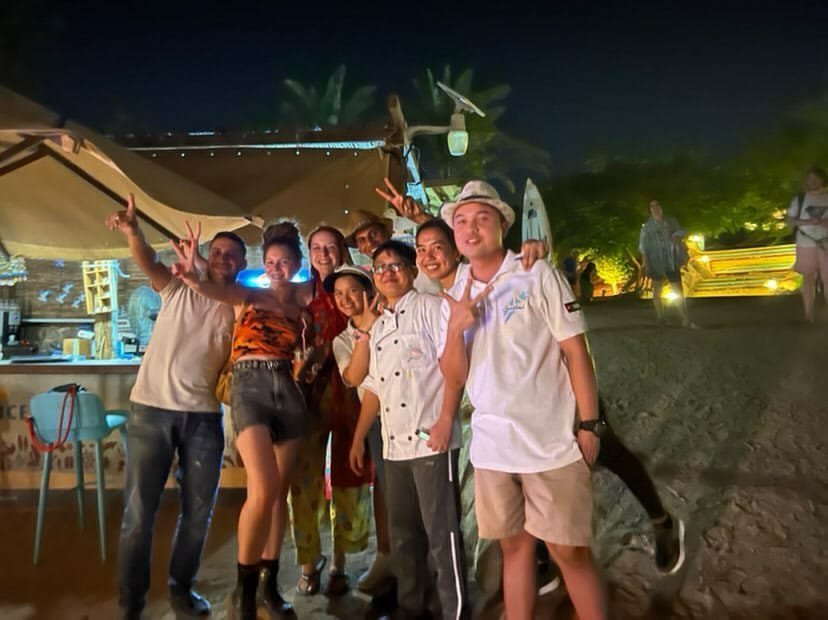
*All quotes from Maria, Jill, and Ferhan were gathered through personal interviews I conducted them in Zagreb and Split in autumn 2025. Photographs were sent to me directly by the interviewees.