In many towns across North Macedonia, the school bell marks more than the end of lessons. It often signals the moment when young people who share the same streets begin to live separate social lives. Students from Macedonian, Albanian, Turkish, Roma, Serbian, Bosniak, Vlach, and other smaller communities may grow up in the same municipalities, yet their daily paths often run in parallel rather than truly together.
This division is not always a matter of choice. In parts of the country, schools themselves are segregated – by language, by shift, sometimes even by separate buildings. Children can spend twelve years only briefly encountering peers from other communities. By the time they finish education, many have learned more about each other from television than from real friendships.
Teachers in mixed municipalities describe a familiar pattern. During occasional joint activities, cooperation feels natural: sports tournaments, competitions, humanitarian actions. But outside these structured moments, social circles often reorganise along ethnic lines.
Sociologists refer to this as “parallel coexistence.” It is peaceful, yet limited. A teenager from Tetovo or Kumanovo may know dozens of names from another community without ever visiting their home, celebrating their holidays, or speaking their language beyond basic phrases.
Segregated schooling reinforces this distance. Different curricula, shifts, entrances, and even playgrounds create invisible borders long before adulthood. When separation becomes normal at the age of seven, overcoming it at eighteen requires real effort.
Language is both a wall and a key. Bilingualism could be one of the country’s greatest strengths, yet it often remains underused. Many young people finish school without feeling confident to communicate with neighbours whose mother tongue is different.
Those who do cross this line describe immediate changes: new friendships, broader job opportunities, access to music, humour, and stories previously out of reach. Where language learning happens through theatre, sports, or digital collaboration, attitudes soften quickly. Where it stays limited to grammar tests, distance survives.
Online platforms had the potential to connect what classrooms separated. Instead, they often mirror offline divisions. Young users follow different media pages, influencers, and meme cultures according to language and community. Algorithms reward familiarity, creating parallel digital realities.
Yet positive examples exist. Environmental actions along the Vardar, charity campaigns after earthquakes, or joint cultural festivals show that shared interests can defeat digital walls. When the topic is music, gaming, or football, identities mix more easily than in political debates.
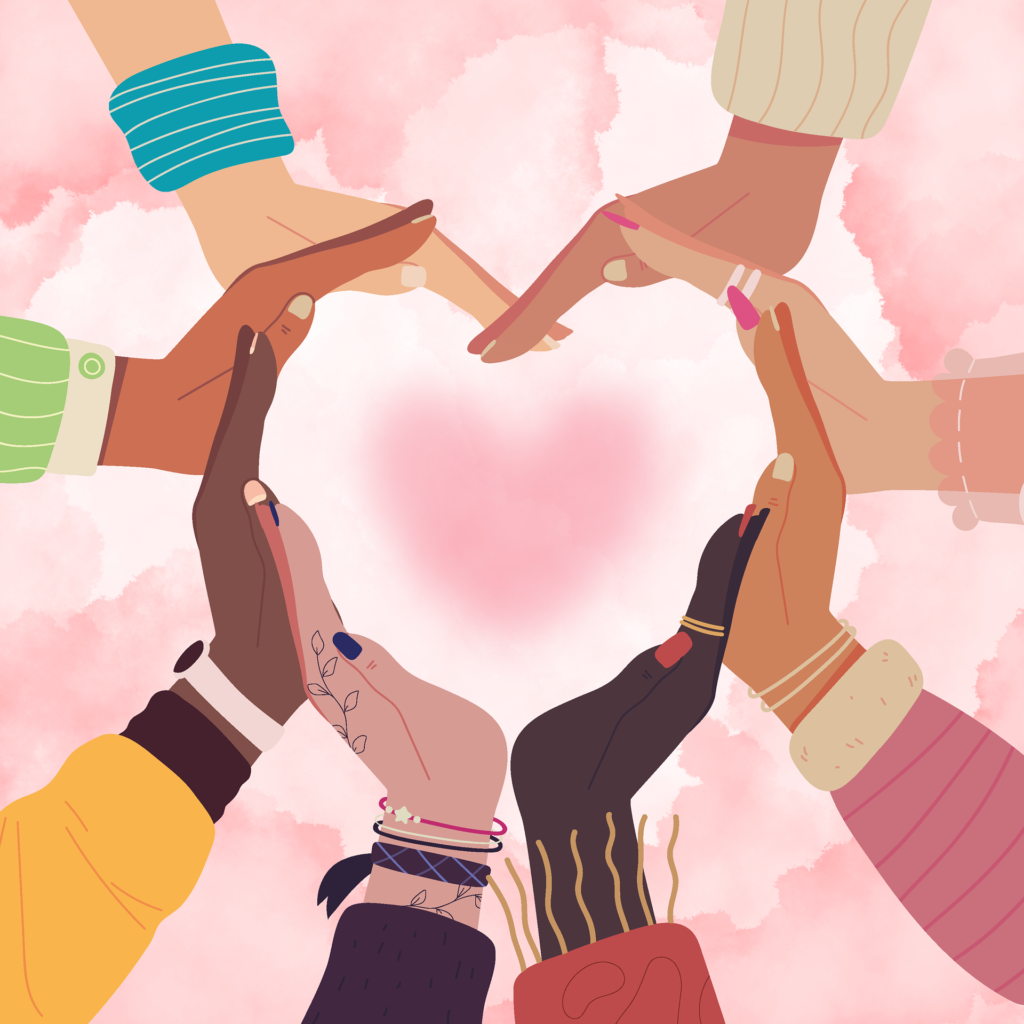
Across North Macedonia, small initiatives demonstrate that segregation is not destiny:
- mixed sports leagues where teams are formed by neighbourhood, not ethnicity
- youth centres offering bilingual debate clubs and film workshops
- municipalities supporting joint school excursions
- student organisations using English or both local languages to include everyone
Participants often describe a simple discovery: the “other side” is not mysterious. Exam stress, family expectations, and dreams about the future sound remarkably similar.
Interethnic contact is not only a social luxury. It influences employment, trust in institutions, and democratic stability. Companies need teams able to work across languages; local governments need citizens who see problems as shared, not ethnic.
When young people grow up separated, rumors travel faster than cooperation. When they grow up together, disagreements remain, but they are negotiated between people who know each other’s names.
Quick Facts: Segregated Education in North Macedonia
- 40 % of Roma pupils aged 7–15 attended segregated schools in 2017 — a significant increase from 25 % in 2011. These schools often have poorer infrastructure and fewer qualified teachers, reinforcing inequalities in education outcomes. (source)
- Segregation tends to occur not only between different ethnic groups but also through patterns of school enrolment where non-Roma parents transfer children to schools with fewer Roma students, perpetuating separation and unequal quality of schooling. (source)
- International monitoring bodies including the Council of Europe’s Advisory Committee have urged North Macedonian authorities to “resolutely address de facto segregated education” and to increase regular contacts among pupils from different backgrounds.
- Research shows that Roma children in mixed, non-segregated classrooms tend to achieve better academic outcomes than those in segregated settings, highlighting the impact of inclusive learning environments.
Overcoming inherited separation requires more than goodwill. Experts and youth workers point to several practical steps:
- Desegregation of schools and classes where possible, or at least regular mixed programmes.
- Shared extracurricular activities – sports, volunteering, arts – proven to build trust faster than lectures.
- Bilingual public services so young citizens feel equally welcome.
- Local media that highlight cooperation, not only conflict.
Most importantly, young people need every day spaces where meeting is ordinary, not exceptional.
The generation leaving school today inherits a system shaped by history and politics, not by their own decisions. Yet they will decide whether those inherited borders remain.
Interethnic life after school can be richer than the segregated version of childhood – full of mixed friendships, joint projects, and common ambitions. The bridges are fragile but real. Crossing them repeatedly may be the most important lesson that school never officially taught.